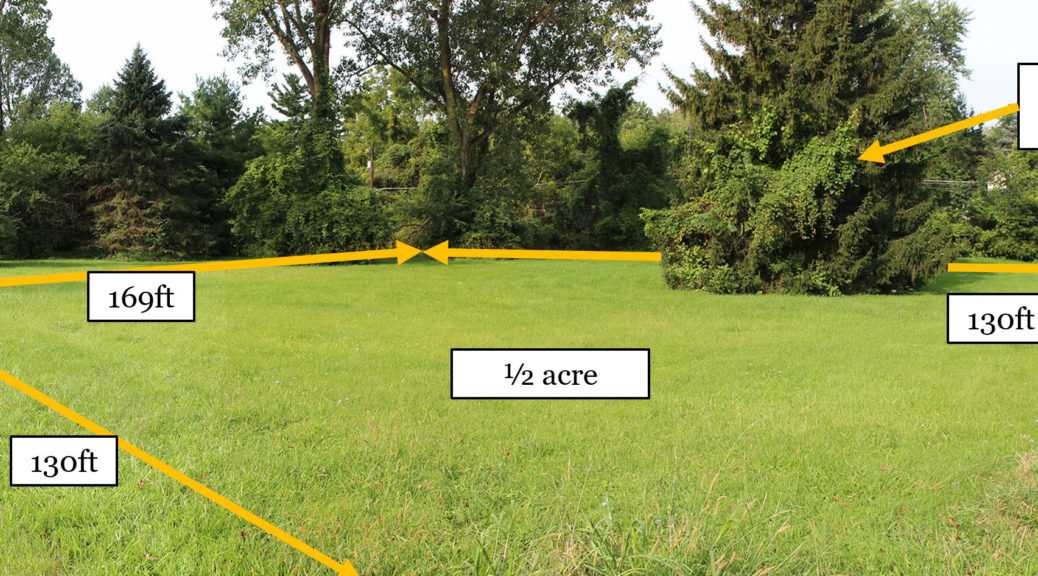
See Craigslist ad at:
https://columbus.craigslist.org/reo/d/land-for-lease-1-2-acre-200/6680572846.html
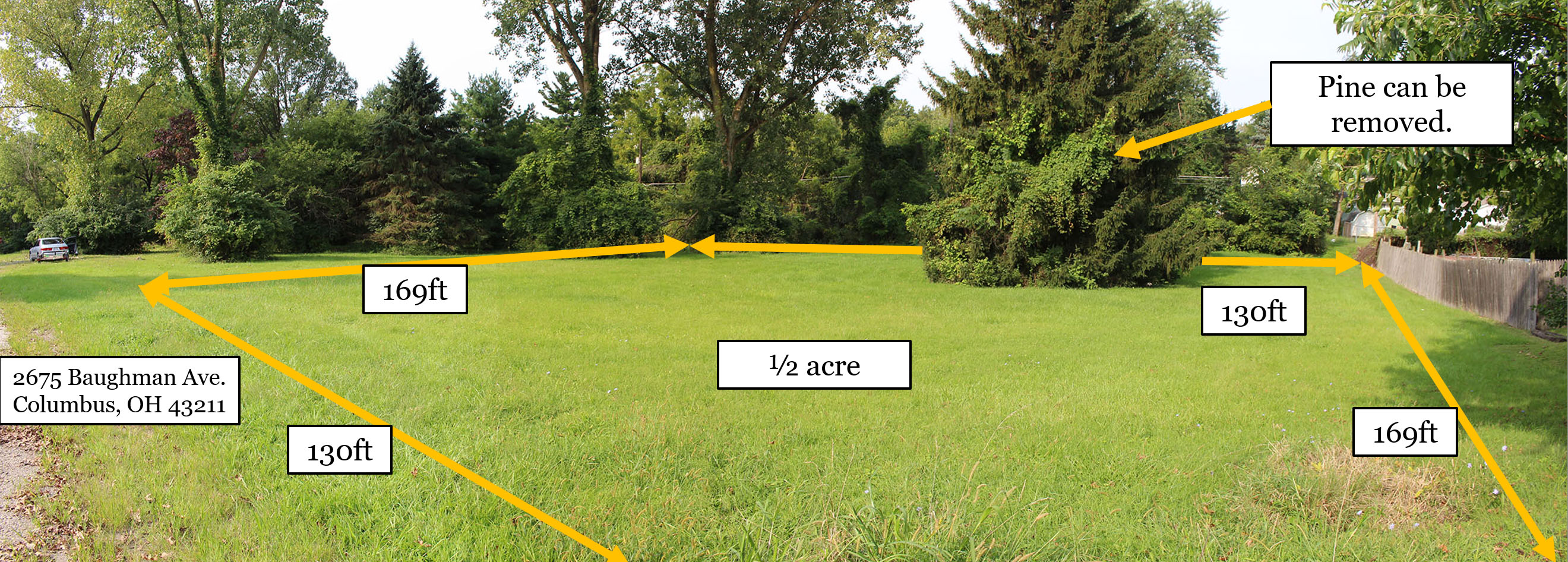
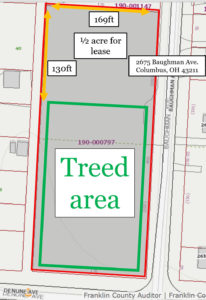
See Craigslist ad at:
https://columbus.craigslist.org/reo/d/land-for-lease-1-2-acre-200/6680572846.html
I have said before that we should call this concept we are all familiar with Global Carbon Transfer. That is what it is and always has been.
Global Carbon Transfer is directly measurable.
The term “Global Carbon Transfer” is completely accurate to what we are actually doing. We know that we are transferring carbon.
The name “Global Carbon Transfer” allows for consideration of other unknown effects that we have yet to identify that nobody even talks about.
We are transferring a lot of carbon from the ground to the atmosphere. This is an indisputable fact.
I personally believe that global carbon transfer is causing significant man-made global warming. Here is a list of the evidence that shapes my concept of the world, my personal observations that lead to my belief:
Bill Nye (of “The Science Guy” fame) recently sold out and went on John Oliver’s late night show:
Full bias disclosure: while I believe that John Oliver and for example, Donald Trump, are near equals in the damage that they do by being entertaining idiots / bullies in the media (both are both, if you can’t see that, then you are stuck firmly on one side), when they face off, I personally would enjoy watching Trump name-call John Oliver instead of the reverse. This is probably very simply because Oliver seems like a little weeny to me.
The subject of this post, whose name I am finished using so that you and I can successfully forget it as soon as possible, does not himself warrant a post. However, he so acutely represents a form of the cancer that is the mainstream media that his name gets to appear in my title here on Rage and Frenzy Politics, the most prestigious place it will probably ever be written.
I am going to use the stupid media term “global warming” here, rather than the more accurate and effective term, “global carbon transfer,” because we are talking about media bias, not the actual phenomenon.
The perceived problem, judging by Bill Nye’s calling somebody “you f***ing idiots” (we don’t swear here at NathanRuffing.com, but in this case, it is a direct quote), is that global warming is caused, or at least allowed to continue, by some portion of the population who isn’t smart enough to understand global warming. I assume the idea is that this idiot portion of the population is voting for selfish policies that exacerbate the problem, and also probably spreading conspiracy theories that discredit the basic science behind global warming. I personally believe that these things have some truth to them, but what follows is the actual problem.
The actual problem is that we – and I do mean we human beings, all of us, especially those of us living in industrialized nations – are logistically supported by the energy that comes largely from transferring carbon from the ground into the atmosphere. Keep in mind, I did not say that we are the problem, I am saying that our source of energy can cause problems that we did not foresee when we started using it.
The current population of the world is 7 billion +. That is seven times the population of just 200 years ago, and ~25x the population of about 1,000 years ago. That is a significant increase. On top of that, we use a lot more energy per person now than we did 1,000 years ago. This is great, and I am happy to be a beneficiary of this energy wealth, but we should recognize that we should conserve the resources that produce it.
What does the mainstream media say?
One side of the media says that global warming is not happening at all. This side actually will go so far as to say that it is impossible to the point of ridiculous to even suggest that mankind could affect the entire atmosphere and the climate. The main evidence that I have heard cited for this idea is that some scientists faked data, and that there are large global climate cycles. Both are almost certainly true, neither is evidence one way or the other.
The other side says that global warming is definitely happening, and does things like have a “Science Guy” put safety glasses on, string swear words together, and take a torch to a globe while a laugh-track rolls. Very constructive, subject of this post, you little weeny. I agree with your science, but you are the ring leader of a half-political laugh-track circus whose carbon footprint is the size of most third-world countries. Your team of writers puts its energy toward corrupting Bill Nye The Science Guy into insulting half the country because it is more entertaining to call somebody stupid than to say something smart. Are you even the leader? I find it hard to believe. Who writes your teleprompter? Who tells that person what to write and not to write? Who pays that person?
I think I editorialized this post enough that you know my opinion.
The solution is for us to identify things that we do that use a lot of energy, especially energy that transfers carbon into the atmosphere, and stop doing those things. The first thing that comes to my mind is the military-industrial complex. If you don’t know what the military industrial complex is, you should. Click the link for the Wikipedia article.
The military industrial complex is not a new concept. One of the greatest warfighters in our history recognized the military industrial complex and preached about it in 1935. Click for the PDF: War is a Racket, by Major General Smedley Butler, USMC
Stopping doing many things that transfer carbon into the atmosphere will be difficult. For example, if we fight fewer wars, trade routes will close, and prices may go up. This may include the price we pay for gas at the pump. This would be difficult. We would have to coordinate with each other and carpool to work for example. We might even have to live closer to work and bike there.
After three years of experience in this type of investment, I made a list of criteria to use. Venture capital is must be flexible by nature, so the criteria are broad, but there are some components that must be present:
Still renovating, landlording, and taking notes about it for an operating manual. My favorite part is actually selecting the items to install and doing the work.
Here are the pictures from the most recent renovation, apartment B2:
https://www.nathanruffing.com/riverview/march-2019-b2/
I’m about to finish another renovation, apartment B4, within the next few days and I expect it to rent quickly. It is pretty much standard.
The next apartment, apartment A2, is more exciting. It will be the “Skunk Works” apartment with several major top-secret design overhauls that take some of my materials selection strategies to the extreme. It is unique, and minimalist but functional with high-quality materials. Should be done by the close of April. Stand by for photos next quarter.
This is a double-down on the apartments. The manual describes my system in detail. I am looking to make it available to other landlords and aspiring investors.
I remain the Secretary at Kineomen and record a monthly summary for the company.
Kineomen is trimming down to its winning parts.
Great product, great people.
These are the only money-making ventures that make the cut. I am trimming everything else out.
Check out Travis and Marcus’ Paveway.
They are five years out of the military, and this project has several years of momentum now. Paveway is about business development, and they just put up the website complete with a few blog posts. Read, comment, interact!
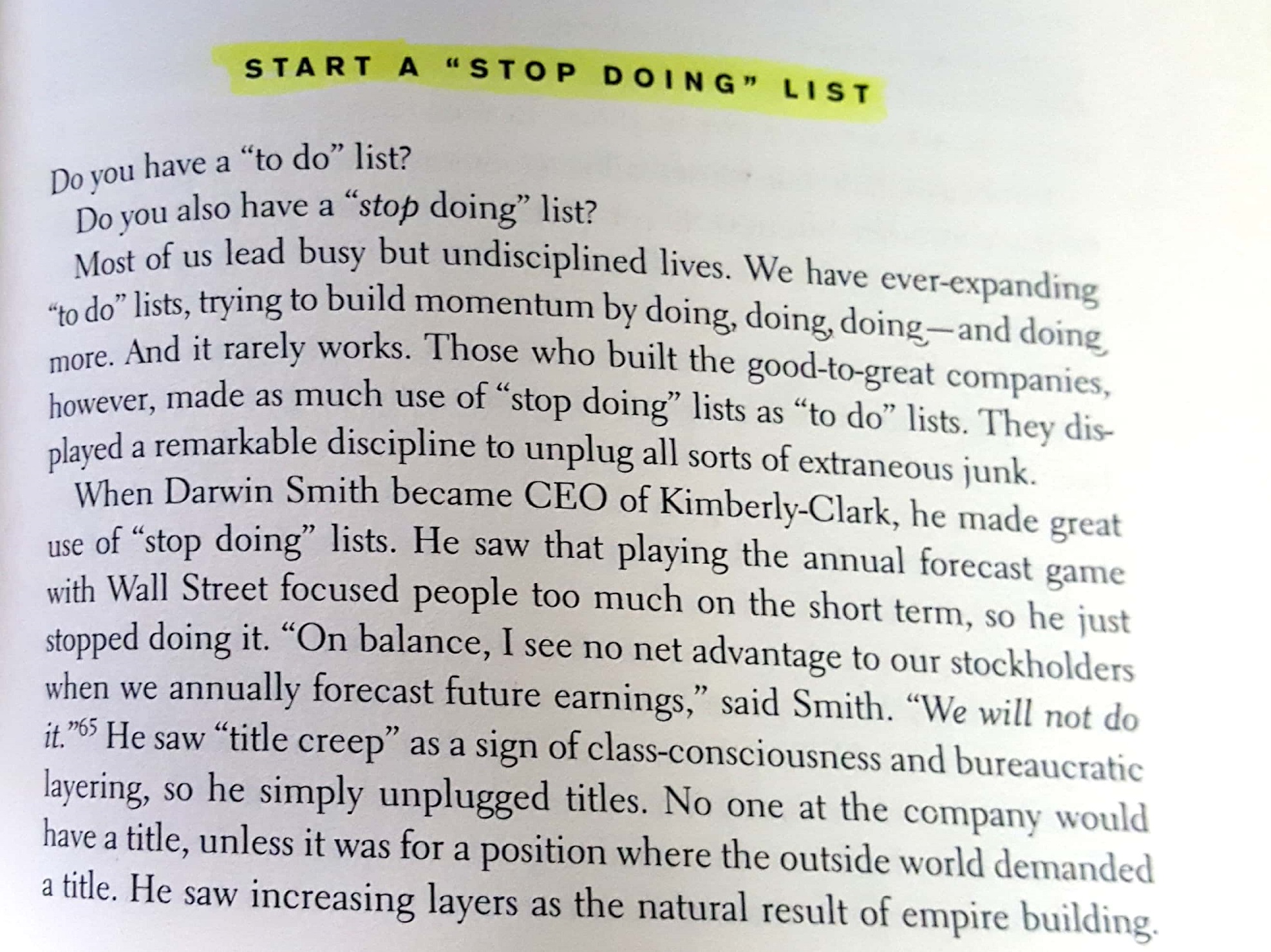
and lessons learned from four years of trying to do everything.

(Maintaining the license!)
I am supporting my current clients, and maintaining the license, but not taking any new clients. I really appreciate all those who took a chance on me as a new agent and I feel fortunate that my clients are happy with their transactions. Real estate really is a lot of work, but it is fun too. Thanks everybody!
This was the most difficult to say ‘no’ to because I was just starting to gain some momentum and the money is great.
Don’t worry, I’m a part-timer for life! Any questions, let me know. Free advice, free guy with MLS access!
I would love to make this happen, but I simply do not have time. This is not a side-job. This would be full-time. Producing videos is time-consuming. Once you are reasonably good at it, figure an hour per minute of video, and that is if you already know what the content will be.
Clean video requires an hour per minute, PLUS thinking up and planning the content.
I still have the structure, the video equipment, and the editing software. I still have many videos that I really want to make! Down, but never out!
This ended some time ago, but I wanted to list it because I learned so much looking into the note business. It really helped me understand lenders’ motivations and value quality lenders as a real estate agent.
This arose from my desire to do real estate close to home, and I hoped to help other agents do so as well, around the country! However, making money by referring is really hard to do. You are like the broker to the middleman and it is too many steps removed from the value creation.
Maybe with all these projects off my plate I can actually ride my bike again sometimes!
I’ve dabbled in the idea of transporting art from Brazil for sale in friends’ establishments here in Columbus, but it’s another thing that just takes time time time. I will still write about it!
People, my car is just too old and I’m not buying a car just to make $12 / hour!
Every time I hear somebody talk about the stock market, whether up or down, I am so glad that I have reclaimed the time and energy by not paying attention to that pie in the sky to which I’m always an outsider.
I still plan to visit the Philippines. Still.
What is a credit card?
A credit card is a card with a number on it that you can use to buy stuff.
Yes. Yes it is.
They also represent the systemization of all consumer relationships.
Credit cards have only existed since the 1950’s or so. That is not very long ago. So how new are they? Do they represent a completely new concept? As with many things that appear new, credit cards are really a transformation of something very old. In the case of credit cards, they transformed personal consumer relationships with vendors. The relationship is still there, but it has taken a different form, and different people and institutions handle it and profit from it.
Let’s consider 2 consumers: Consumer A, and Consumer B. We will consider how each did business in 1819, then we will consider how they do business now.
Consumer A is very responsible. He spends only what he makes. He is polite when he enters the store, makes his purchases and usually has cash on hand to pay for the merchandise. He likes a good deal, but pays the listed price. He considers debt to be a burden on his life and immediately pays it to keep his life clear. As the store owner, you happen to know several other people in Consumer A’s family who also shop in the store. Consumer A buys mostly bread and horse food, but enjoys the occasional beer with friends on the weekend.
In short, Consumer A is a responsible consumer who is a pleasure to do business with.
Consumer B is not responsible. He spends money when he sees things in front of him that he impulse buys. He is polite, but always seems like his politeness has an ulterior motive — hence when it comes time to pay, he is usually short some cash and asks for a “quick loan.” He likes a good deal — so he is always taking what he can get. Consumer B racks up little debt constantly and if you forget about it then so did he. As the store owner, you never really know Consumer B very well. Consumer B buys the necessities, but also a whole bunch of other stuff that nobody needs, drinks during the week and drinks too much on the weekends.
In short, Consumer B is worth doing business with, but only because barring him from the store would be more of a hassle than it’s worth.
Consumer A spends decades racking up goodwill with store owners, and store owners pay him in kind. When there is excess inventory of horse food one year that will go bad if they don’t give it away, the store owner takes Consumer A to the back of the store and gives him the horse food for free. When the store expands and gets rid of quality office furniture, it goes to Consumer A. When the store owner sees Consumer A at the bar on the weekends, he picks up Consumer A’s drink tab.
Consumer A normally has plenty of savings, but one time spends his savings to buy lumber to build a new house. The first day of construction, the load falls from the cart and breaks his arm. He can’t work for three months and is potentially mildly crippled permanently! The townspeople line up to help him out. The store owner drops off bread to his wife who is taking care of Consumer A. The horses eat for free. Consumer A recovers and manages to pay back the debt that he had his wife keep track of. The store owner and townspeople accept some repayment, but in the end Consumer A is hardly able to pay back what he actually received. There was certainly no interest added to his debt.
In short, Consumer A gets a bunch of extra little stuff that adds up over time, and in hard times gets even more because of the goodwill he had built up with others.
Consumer B spends decades making everybody a little angry and uncomfortable. He has several enemies who hate him and will take everything they can get from him. When he accidentally leaves his cash clip on the counter, it disappears. No free horse food. When the office furniture was given away, he was the last to know and found out too late. When he passes out at the bar one weekend, he wakes up with nothing. The wallet thief gives some of the take to the store owner because he knows Consumer B owes the store owner money — but the store owner won’t take it because he doesn’t want the dirty money.
One day, Consumer B wakes up with a broken wrist and he doesn’t know where it came from. He spends his recovery time of four months alone begging for crumbs, and loses weight almost to the point of death, but eventually recovers angrier than ever and antagonizing everybody even more.
In short, Consumer B fights hard for tiny little deals constantly and loses every penny that isn’t physically attached to him. In hard times, he loses everything and barely survives.
The store owner wants to sell stuff, get paid for it, and go home to his family at the end of the day.
The store owner deals with Consumer A and Consumer B because they both pay for the merchandise, although in the case of Consumer B only after three times as much energy was expended hounding him.
Consumer A has a credit score of 770 that was determined by algorithms that used Consumer A’s habit data collected and stored by financial institutions.
Consumer A buys everything on the same rewards credit card that constantly gives him 1% – 1.5% cash back on everything he buys, and up to 5% on some merchandise. He pays his credit card statement balance every month.
Consumer A constantly receives offers for 0% financing. Normally he doesn’t use this financing, but the one time when his new house was under construction and he breaks his arm, he charges everything to a 0% credit card and pays no interest for the three months that he couldn’t make his payments.
In short, Consumer A gets a bunch of little extra stuff — well, exactly 1% — that adds up over time to a nice vacation each year.
Consumer B has a credit score of 550 that was determined by algorithms that used Consumer B’s habit data collected and stored by financial institutions.
Consumer B buys everything on credit from whomever will lend him money. The best credit card he can get charges him the maximum interest rate allowed by law. He pays the minimum balance every month and pays one credit card with another if possible.
Consumer B constantly receives offers for loans to buy a variety of optional expensive items like furniture, electronics, new cars, fancy liquor, anything sellers can put in front of him to impulse buy. He takes the bait often enough that he is in debt to many creditors who hound him all the time.
In short, Consumer B has nothing because every penny to his name is already spoken for by a creditor.
The store owner wants to sell stuff, get paid for it, and go home to his family at the end of the day. (Notice this has not changed at all).
The store owner deals with Consumer A and Consumer B because they both pay for merchandise with credit cards. He goes home at the end of the day with 97% of what Consumer A and Consumer B spent without even knowing who the consumers are as people. Where did the 3% go that would make 100%? He paid 3% of his sales to …
…
The credit card company did not exist in 1819. However, what the credit card company does is far from new. In fact, ironically, people in 1819 were much more familiar with what credit card companies actually do than we are today in 2019. The credit card companies deal with the store owners, and they deal with Consumer A and Consumer B. They manage that relationship and make it transparent to all parties.
The credit card company goes to the store owner and says,
“I will make sure you get paid 97% of all that you sell. You don’t have to know the customers at all. As long as they pay with this card, you will receive 97% of the value of what they purchased. You will receive it from our bank, in one big monthly payment — guaranteed.”
The store owner says,
“I don’t have to deal with Consumer B at all, and I don’t even have to lend to Consumer A when he breaks his arm? Just 3%?!?! Guaranteed payment?? Done. Where do I sign?”
The credit card company (which is essentially banks) collect all the data from all the consumers no matter where they shop, and they collect all payment data on all consumers. They use that data to determine who is Consumer A and who is Consumer B. They then take 3% of all sales, plus the interest – charged mostly to Consumer B – as their revenue. From their revenue, they subtract the rewards given to Consumer A as incentive for being zero hassle to them. The credit card companies then use the remaining money to pay the wallet thieves and hustlers to take everything they can from Consumer B through consumer data sales to impulse goods salesmen, interest charges, general hounding, and repossession. What remains is the credit card companies’ profit.
In short, the credit card companies make a lot of money by charging 3% on all sales to deal with the few Consumer B’s out there.
At the level of international relations, geopolitics is a method of studying foreign policy to understand, explain and predict international political behavior through geographical variables. These include area studies, climate, topography, demography, natural resources, and applied science of the region being evaluated.
If the geographical landscape affects politics, doesn’t the technological landscape affect politics also? Shouldn’t there be people studying how technology affects our politics?
At the level of national policy-making and international relations, technopolitics is a method of studying policy and foreign policy to understand, explain and predict political behavior through technological variables, especially as those variables change over time. These include technology market penetration studies, cultural attitudes, demography, information flow, and communication norms of the region and time period being evaluated.
I remember my high school history teachers drilling into our heads the importance of the Gutenberg Press while I went through high school. They said it was easily the most important invention in the last 2,000 years. I remember because it seemed so dull at the time – but it finally clicked. We should all know about the Gutenberg Press and the Reformation, and the technopolitics of the world at that time. This should not be obscure history, this should be daily discussion. Who were the first political leaders in the wake of the press in the 15th century? Who issued the first political proclamation to be copied to a newly-reading populace? These are the right questions to be asking right now in the twenty-eighth year of the internet, very possibly the height of technopolitics for the 3rd millennium. I discuss it here on Rage and Frenzy Politics.
Being the case that technology, especially communication, has fundamentally changed over the last century, technopolitics should be a focus of academia today. The internet went public 25 years ago. Information exchange changed fundamentally, and it increased exponentially. Many attribute the election of the current president of the United States to his use of modern communication technology in Twitter. This is such a simple truth to us that we are instantly bored with it, but it is also such a fundamental driver within our world that we must understand it more deeply.
Vote, … and participate in the multi-directional free exchange of thought on the open frontier that is the internet. But do it responsibly! Contribute your ideas to Rage and Frenzy Politics. Thank you!
There are two main aspects to every offer. The first aspect is the offer amount (=money from buyer). The second aspect is the “strength” of the offer.
This is very straightforward. No matter how the buyer comes up with the money, the title company will receive the agreed upon purchase price from the buyer / lender / salty loan shark, and distribute the money to all the people to whom the seller owes money in relation to the property and transaction, then the remaining money to the seller. For the amount, it does not matter where the money comes from, it is all the same money to the seller at closing: dollars $$$.
The amount that reaches the seller depends on the seller’s situation, and can be estimated with a Net to Seller, example here. It does not depend on the source of the buyer’s money nor what the money is labeled within the offer.
The only way that an offer of the same purchase price can yield less or more to the seller is if there is another specific amount written on the contract that obligates the seller or buyer to pay something at closing. The most common example of this is, for example:
“Seller to contribute $2000 toward buyer’s closing costs and related fees.”
Let’s compare two offers.
Offer A: $150,000 / $2,000 in closing costs.
Offer B: $148,000 / $0 in closing costs.
Offers A and B are equal in amount because in offer A – though higher than offer B – the title company will distribute $2,000 from the seller’s funds to the buyer at closing. Offer A might be slightly more attractive to the buyer because the buyer brings less cash at closing because of the money being “kicked back” by the seller. To the seller, these offers are essentially the exact same.
Other common examples are when the seller pays for a warranty on the house, usually $500-$600 to a warranty company, or perhaps the seller agrees during the remedy period to pay for some defect that was found on the inspection.
“Cash is king,” so cash can get you good deals! … This is true, but there are many factors that influence a seller’s decision of whether to accept an offer or not, or which offer to accept if there are multiple. From strongest to weakest, here are the types of offers that a seller can receive, why they are strong / not as strong, and also which types of sellers consider which aspects of offers. Imagine you are the seller in this case and you are receiving multiple offers of the same amount, but with different strength factors:
This means that the buyer accepts the house in its current condition. The seller need not so much as set foot on the property again, only give the buyer agreed amount of time to arrange his funds (1-3 weeks usually), schedule a closing, then sign the deed to the buyer and receive the money.
Sellers who care: this matters most to a seller who is selling a house for which most banks won’t issue a loan. For example, when floors are not installed (sub-floor exposed), banks often will not lend even if the house would clearly be very valuable with just $2,000 worth of carpet installed. Complete rehabs want cash buyers because they don’t want to wait for the buyer to convince a construction lender’s slow bureaucracy to finance his project.
Sellers who don’t really care: cash is always strong, but for example when a seller is selling a house that is almost brand new, built by a reputable builder in a neighborhood where 3 similar houses have sold recently after passing inspections for near the offered price, the seller doesn’t really care where the money comes from. A cash buyer might be able to close faster, but it is only a difference of a few weeks at most.
This means that the buyer has been pre-approved for a standard loan. Most banks can close within 30 days, and require an appraisal. The appraisal is the primary risk to the seller, and the seller might also care about time to close. Sellers usually prefer banks that specialize in mortgages as opposed to “big banks,” but on a normal deal, either bank will close within 45 days at the most, and usually within 30 days.
As we progress down this list, the buyer is bringing less and less of his own cash to the table. More cash is a stronger offer, so sellers are more likely to accept, and also as a general rule, the more cash you bring, the better deal you get from the lender. Most people know about the cut-off at 20% down, where the lender does not require the buyer to purchase Private Mortgage Insurance (PMI), but 20% down is just one of several levels. 10% down gets a slightly better deal than 5% down. “No money down!” loans exist, but they are expensive like credit card loans. There are deals above 20% as well. Banks will often give slightly lower rates to buyers who can bring 30% or 40% down. Most people don’t even consider purchasing with cash only, but still the more of your own cash you bring, the less risk the lender is taking, and the better deal you get.
This means that the buyer is getting a loan with help from the Federal Housing Administration. The FHA is a government entity and has inspection requirements and bureaucratic paperwork to complete. These often take more than 30 days, carry risk to the seller, and require more work from both parties to complete. FHA loans are therefore less attractive to sellers and considered weaker offers.
This means that the buyer can only complete the contract and purchase the house if the buyer sells his house first. Agents often advise sellers to turn down these offers (while encouraging the prospective buyer’s interest as much as possible), and remain on the market. However, sometimes sellers will take the chance and accept such an offer for an attractive price (this means it costs the buyer money).
Another option for the seller is to include an “Escape Clause” in the contract that says the seller still has the option to escape from a contract and accept another offer if a second buyer comes along while the first buyer tries to close the sale of his house. Click here for an explanation of the types of contract contingencies / MLS status.
This is the continuum of how “in contract” a house it.
Imagine you are a buyer looking at houses and you want to know how available a house is based on its “MLS status.” In order from most available to least available, here they are:
*But Listed Very Low
“TV is bad.” “TV saps your motivation and rots your brain.” “I don’t watch much TV (therefore I’m better than you).” “TV wastes time.” “Cable wastes money.” “There’s nothing on but trash.”
You’ve heard all that. I’m not going to beat those dead horses.
There is a milestone in the development of television that I believe often goes unnoticed and its societal impact under-estimated. That is cable TV and how cable is different from regular old antenna TV.
I lived in Rio de Janeiro Brazil for six months. Brazil has multiple channels, but for the most part, there is one channel to watch, Globo. The feel there was very different and it felt like lack of cable TV was largely responsible. I say “lack of cable TV” as an American born in 1983, but to them no cable TV – one channel – was normal, nothing to notice.
This is a bit of a rosy picture, but allow me some dramatization. It felt like one big family in Brazil with respect to the TV because everybody saw the same stuff. In Brazil, whether you love the TV darling Flamengo soccer team or not, they are the televised team and everybody watched. Love the current novela or not, everybody watches it at least a little, even in the bars. The news was limited to an hour because otherwise that’s all there would be.
I have to admit these differences sound small, but the overall feeling and my perception that it was connected to cable television was really very strong. There was an overall ambiance that the collective attention was outside instead of inside, on others instead of self-focused. Even while actually watching TV, you knew that a good number of homes around were watching the same channel. If you could see in a neighbor’s window, you would see the same channel. If you go outside and run into somebody on the street, you would have just seen the same show. If you go to a bar, the only difference on the TV from your house is that 10 minutes had passed so it is likely later in the same show.
I don’t know who started naming winter storms. It was kind of fun having everybody talking about the same thing, but it’s the weather, not the TV. However, instead of the weather – which was underwhelming – we were talking about the TV’s dramatization of the weather. Ridiculous. I heard the grocery stores ran out of food! Hilarious.
So by the way, when did we start naming winter storms?
“When ‘men’ started naming their penises.”
That’s the best answer I heard.